Blog
By: Dr. Vasisht
After pregnancy or significant weight loss, many patients expect their stomach to return to normal with time.
Sometimes it does. But in many cases, the abdomen still looks or feels different, even with regular exercise and a healthy lifestyle.
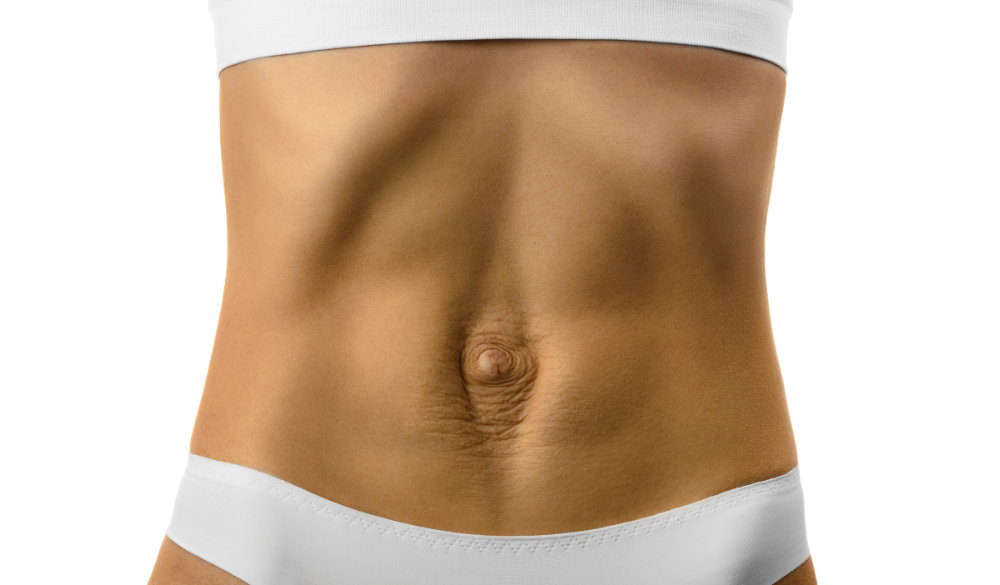
Even well after childbirth or dramatic weight loss, you may notice loose skin, a rounded appearance, or a lack of definition that does not match the rest of your body. This happens because the abdominal wall itself has changed. Understanding how those changes occur can help you decide what to do next.
Why Does the Abdomen Change After Pregnancy or Weight Loss?
The abdominal wall is designed to stretch, but only to a certain extent. Pregnancy and weight gain both require the skin and underlying structures to expand. When that expansion is significant or prolonged, those tissues do not always return to their original state.
Several factors contribute to this:
- The degree of stretching
- How long the tissue remains stretched
- Your natural skin elasticity
- Age and collagen levels
Once these limits are exceeded, the abdomen may not fully recover on its own.
What Happens to the Abdominal Muscles?
During pregnancy, the abdominal muscles can separate along the midline. This is known as diastasis recti.
As the uterus expands, it pushes the muscles outward while the connective tissue between them stretches and thins. After delivery, the muscles may partially come back together, but in some cases the separation remains.
When that happens, the abdomen can continue to appear rounded or protruded, even at a lower body weight. Some patients also notice that their core feels weaker or less stable than it did before pregnancy.
Exercise can strengthen the surrounding muscles, but it does not always restore the lost structure.
What Happens to the Skin?
Stretching to accommodate changes in size is a normal function of the skin to an extent. The skin relies on collagen and elastin to maintain its shape. When the skin is stretched beyond its natural capacity, those fibers weaken. As a result, the skin may not fully contract after pregnancy or weight loss.
This is why some patients are left with loose or hanging skin, particularly in the lower abdomen. In many cases, the skin may appear wrinkled or thin, and it often does not respond to continued weight loss in the way patients expect.
Even when you reach your goal weight, the contour of the abdomen may not match the rest of your body.
What These Changes Mean For Treatment
Because these changes involve both the surface and the structure of the abdomen, they are not always addressed with a single approach.
In some cases, the concern is primarily related to excess skin. In others, the underlying support of the abdominal wall has been affected. Many patients are dealing with a combination of both, which is why the results from diet and exercise alone can feel limited. Understanding this distinction is what helps guide the next step and determine which approach is most appropriate.
When a Tummy Tuck May Be Appropriate
A tummy tuck, also known as an abdominoplasty, focuses specifically on the abdomen.
It is often considered when loose skin, a persistent lower abdominal bulge or muscle separation continues to affect the midsection’s overall contour. In many cases, these changes remain even after weight loss or regular exercise, because they involve the structure of the abdominal wall rather than surface-level concerns.
During the procedure, excess skin is removed from the lower abdomen and the remaining skin is carefully repositioned. If the abdominal muscles have separated, they can be brought back together to restore internal support. This step helps create a flatter, more controlled contour, rather than simply tightening the surface.
When a Mommy Makeover May Be the Better Option
Some patients are dealing with changes in more than one area. A Mommy Makeover is a customized approach that addresses these concerns together rather than treating them separately. After pregnancy, it is common to see changes in both the abdomen and the breasts, including loose skin, loss of volume or shifts in shape.
A Mommy Makeover typically combines a tummy tuck with a breast procedure, such as a lift, augmentation or reduction, depending on your anatomy and goals. By approaching these areas at the same time, the result tends to feel more balanced and proportionate overall.
Instead of focusing on one concern in isolation, this approach restores harmony between the upper and lower body in a way that looks natural and consistent with your frame.
Why This Decision Is Different for Everyone
There is no single solution that works for every patient.
Your treatment plan depends on several factors, including the amount of excess skin, whether muscle separation has occurred and the overall quality and elasticity of your skin. Your personal goals also play an important role in determining the right approach.
Two patients can have similar concerns on the surface but require very different treatment plans based on how their bodies have changed. What works well for one person may not produce the same result for another.
That is why a personalized evaluation is so important. It allows Dr. Vasisht to understand what is happening beneath the surface and to recommend an approach tailored to you.
Take the First Step Toward a Stronger, More Balanced Abdomen
If your abdomen has not responded the way you expected after pregnancy or weight loss, there is usually a reason.
In many cases, the changes involve more than what you can see on the surface. Understanding how the abdominal wall has been affected is the first step toward finding a solution that actually works for your body.
A consultation can help determine whether your concerns are related to skin, muscle, or both. From there, you can better understand which options may be appropriate and what kind of results you can realistically expect.
At South Shore Plastic Surgery in Voorhees Township, NJ, patients receive personalized guidance based on their anatomy, goals, and long-term outcomes. To learn more or schedule your consultation, contact us online or call (856) 322-8100 today.